
Introduction
Digital technology is changing modern dental care by helping dental professionals collect information, plan treatments, communicate with patients, and coordinate different stages of care more efficiently.
From digital photographs and intraoral scans to computer-aided design and virtual treatment planning, these technologies are becoming increasingly useful across many areas of dentistry. For patients considering cosmetic dental treatment, digital tools can also make complex treatment concepts easier to understand.
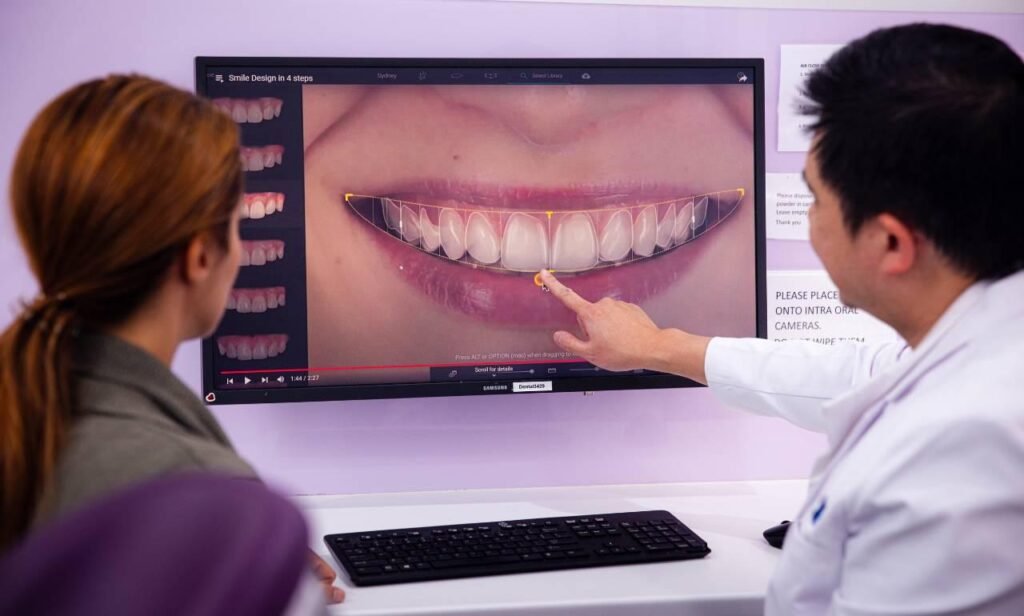
One example is digital smile design, which uses digital records and visual planning to help dentists evaluate the relationship between teeth, gums, facial features, and the overall appearance of a smile.
What Is Digital Smile Design?
Digital smile design is a technology-supported approach to planning cosmetic dental treatment using digital photographs, scans, measurements, and other patient information.
The process can help dentists study tooth proportions, symmetry, tooth shape, gum display, and facial relationships before developing a treatment plan.
Rather than relying only on traditional models or verbal descriptions, dentists can use digital information to create a visual treatment concept that supports discussions with patients.
Patients interested in understanding this approach can also explore this detailed guide to digital smile design.
How Digital Tools Support Dental Planning
Modern dental practices can use digital records to supplement traditional clinical examinations and diagnostic procedures.
Intraoral scanners can create digital models of the teeth, while clinical photographs can document the patient’s smile and facial characteristics. These records can help dental professionals review measurements, evaluate treatment options, and communicate information more efficiently.
Digital files can also support computer-aided design and manufacturing when restorations such as crowns, veneers, or other dental prostheses are planned.
However, digital technology does not replace a complete clinical examination. Dentists still need to evaluate oral health, medical history, tooth structure, gum condition, and other clinical factors before recommending treatment.
Improving Communication Between Dentists and Patients
One of the practical benefits of digital treatment planning is improved communication.
Cosmetic dentistry often involves preferences related to tooth shape, proportions, spacing, color, and overall smile appearance. Patients may find these concepts difficult to describe using words alone.
A digital visualization can give dentists and patients something specific to discuss. Patients can ask questions about proposed changes, while dentists can explain what may be achievable and what limitations could affect treatment.
This discussion can help establish clearer expectations before treatment begins.
Supporting Personalized Smile Planning
Every patient’s smile has different characteristics. Facial proportions, tooth size, existing restorations, gum contours, oral health, and personal preferences can all influence cosmetic treatment planning.
Digital analysis can help dentists consider these factors together rather than examining individual teeth in isolation.
For example, a particular tooth shape may look attractive by itself but may not create the same effect when considered alongside the patient’s entire smile and facial structure.
By reviewing the proposed design within a broader context, dentists can develop a more personalized treatment approach.
How the Digital Smile Planning Process Works
The exact workflow varies between dental practices, but digital smile planning commonly begins with collecting detailed patient information.
This may include:
- Clinical photographs
- Intraoral digital scans
- Facial photographs or videos
- Dental measurements
- Information about the patient’s aesthetic concerns
- Existing dental records when appropriate
The dentist can then analyze these records and develop a proposed smile concept.
Depending on the technology being used, the patient may have an opportunity to review the proposed design and discuss preferences with the dental team before the final treatment plan is established.
The digital design remains one part of the overall process because the dentist must also consider oral health, function, biological factors, available tooth structure, materials, and treatment limitations.
Digital Technology in Cosmetic Dentistry
Cosmetic dentistry is one area where digital planning can be particularly useful because treatment decisions involve both clinical and aesthetic considerations.
Treatments such as veneers, crowns, orthodontics, bonding, and comprehensive smile makeovers may require careful planning to achieve balanced results.
Digital records can help connect different stages of treatment planning and improve communication between dentists, laboratories, and patients.
When appropriate digital systems are available, information can move more efficiently from diagnosis and design toward restoration planning and manufacturing.
Understanding Digital Smile Previews
A digital smile preview can help patients visualize the general direction of a proposed treatment.
It may provide an opportunity to discuss tooth proportions, smile symmetry, and other aesthetic goals before treatment begins.
However, patients should understand that a digital preview is not a guarantee of the final result. The final appearance can depend on many factors, including the patient’s oral health, available tooth structure, treatment technique, selected materials, laboratory procedures, healing, and clinical execution.
For this reason, digital previews should be viewed as communication and planning tools rather than promises of an identical final outcome.
What Patients Should Consider Before Cosmetic Treatment
Technology alone does not determine whether cosmetic dental treatment is appropriate. Patients should discuss several factors with their dental professional before making a treatment decision.
These include:
- Current dental and gum health
- The proposed treatment and possible alternatives
- Expected benefits and limitations
- Treatment duration
- Material choices
- Maintenance requirements
- Long-term oral health considerations
- The experience and qualifications of the treating dental professional
A comprehensive dental assessment should take place before cosmetic treatment because existing oral-health problems may need attention first.
The Future of Digital Dentistry
Digital dentistry continues to develop as new scanning, imaging, design, and manufacturing technologies become available.
The growing use of digital workflows may make dental treatment planning more connected and visual, particularly when multiple professionals participate in a patient’s care.
For cosmetic dentistry, these developments can provide additional ways to communicate treatment concepts and help patients understand the decisions involved in their care.
The most useful role of technology is not to replace the dentist but to support professional judgment with better information and clearer communication.
Conclusion
Digital technology is making modern dental care increasingly visual, connected, and personalized.
Digital smile design is one example of how technology can help dental professionals evaluate smile characteristics, communicate treatment concepts, and plan cosmetic procedures more systematically.
The technology does not replace professional expertise or a complete clinical assessment. Instead, it can complement the dentist’s knowledge by providing additional information and helping patients participate more effectively in treatment discussions.
As digital dentistry continues to evolve, technologies such as digital smile design are likely to remain an important part of modern dental planning and patient communication.