
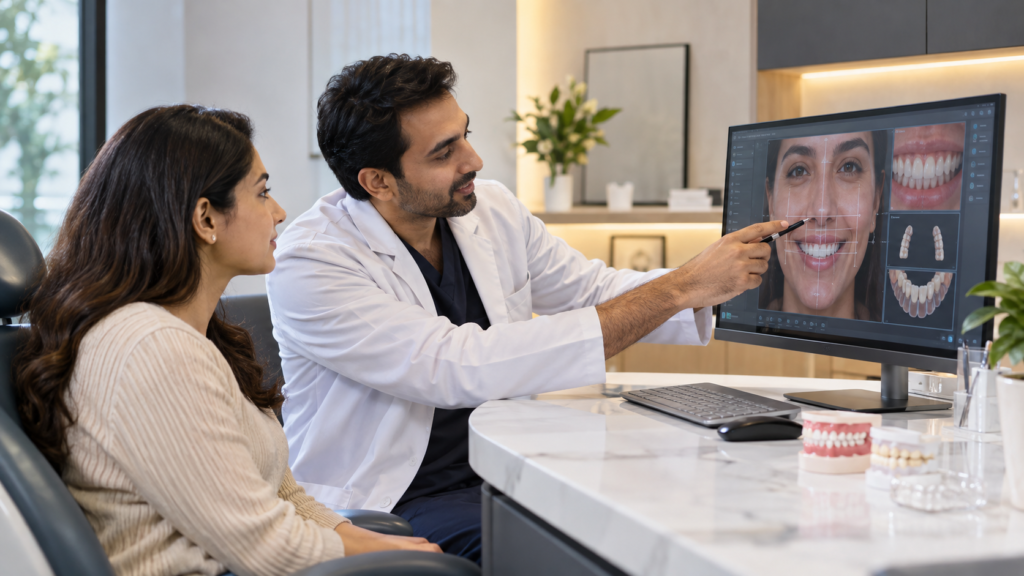
A smile makeover is a personal decision. For many patients, the search begins with photographs, online reviews, or a list of cosmetic treatments offered by a dental clinic. However, choosing a dentist for smile design involves more than finding an attractive before-and-after result.
The way a smile is planned can be just as important as the final appearance. Factors such as facial proportions, tooth shape, tooth colour, gum display, existing dental conditions, and the patient’s expectations can all influence the treatment approach.
For patients exploring their options, understanding how to choose the right smile design dentist can provide a useful starting point when researching experience, treatment planning, technology, and personalised care.
Why Experience Matters in Smile Design
Smile design can involve different areas of dentistry depending on the patient’s requirements. Veneers, crowns, teeth whitening, orthodontic treatment, implants, or combinations of treatments may be considered as part of a broader smile makeover.
This makes the dentist’s clinical experience an important factor to investigate.
Rather than looking only at how long a dentist has been practising, patients can look for experience that is relevant to the type of treatment they are considering. Reviewing appropriate cases and discussing previous treatment approaches during a consultation can provide more useful information than relying on promotional claims alone.
Every Smile Has Different Requirements
A smile that looks natural on one person may not necessarily suit another person.
Tooth proportions, facial structure, lip position, gum visibility, tooth position, and colour can all influence the overall appearance of a smile. This is why personalised treatment planning is an important part of the smile-design process.
Patients can ask how their individual facial and dental characteristics will be evaluated before treatment is recommended.
A consultation should be an opportunity to discuss not only what the patient wants to change, but also what should remain natural to their existing appearance.
Understand the Planning Process
Patients should also ask what happens before the actual treatment begins.
Modern dental practices may use clinical photography, digital scans, measurements, digital smile analysis, and other diagnostic records as part of treatment planning. These tools can help the dental team understand the existing condition and communicate the proposed treatment.
Digital Smile Design is one approach that uses digital information and visualisation as part of smile planning. The exact workflow can differ between dental practices, so patients should ask how digital technology is being used in their individual case.
The important question is not simply whether a clinic has digital equipment, but how that technology contributes to the overall treatment plan.
Look at More Than the Final Photograph
Before-and-after photographs can be helpful when researching a dentist, but they should be viewed carefully.
A finished photograph does not always show which procedures were performed, how much preparation was involved, what materials were used, or why a particular design was selected.
Patients can therefore look for cases that are relevant to their own concerns and ask questions about the treatment behind the result.
This approach can provide a better understanding of a dentist’s treatment philosophy and aesthetic style.
Ask About Materials and Treatment Options
If veneers, crowns, implants, or other restorations are being considered, patients should understand the materials being recommended.
Useful questions include:
• Why is this material suitable for my case?
• Are there alternative treatment options?
• How will the restoration be designed?
• Who will fabricate the restoration?
• What maintenance will be required?
Understanding these details can help patients make decisions based on their individual needs rather than selecting a treatment simply because it is popular.
Personalised Smile Design and Digital Workflows
Some dental practices use a structured digital workflow to combine aesthetic planning with clinical considerations.
Ultimate Smile Design (USD) describes its approach as combining an advanced digital workflow with personalised smile designing and artistic precision. Its published information also highlights factors such as facial analysis, smile dynamics, digital planning, and treatment coordination as part of its approach.
For patients researching smile design, this type of structured approach can provide another area to discuss during a consultation: how the proposed smile is designed and how the digital plan is translated into the final treatment.
Communication Should Be Part of the Process
A dentist’s ability to communicate clearly is particularly important when treatment involves aesthetic changes.
Patients may have different expectations. Some may want a noticeable transformation, while others may prefer a subtle change. The dentist should have an opportunity to understand these preferences before developing the treatment plan.
Patients should feel comfortable asking about the treatment sequence, available alternatives, expected maintenance, limitations, and other practical considerations.
Clear communication can help both the patient and dental team establish realistic expectations before treatment begins.
Don’t Choose Based Only on Price
Cost is naturally an important consideration when comparing dental treatments, but it should not be the only factor used to evaluate a smile design dentist.
A lower-cost treatment may involve different materials, procedures, planning processes, or levels of clinical involvement. Patients should understand exactly what is included before comparing prices.
Likewise, a higher price does not automatically indicate that a particular treatment is appropriate.
The better approach is to understand the complete treatment plan and compare the factors that matter for your individual situation.
What to Discuss During Your Consultation
Before making a decision, patients can prepare a few questions for their dentist:
• How will my smile be evaluated?
• What treatment options are appropriate for me?
• How will my facial characteristics be considered?
• Will digital planning be used?
• Can I understand the proposed smile before treatment?
• What materials are being recommended?
• What are the alternatives?
• What will maintenance involve?
These questions can make the consultation more productive and help patients understand the reasoning behind the proposed treatment.
Making an Informed Choice
There is no single dentist who is right for every patient. Dental conditions, treatment goals, expectations, available technology, and the type of smile transformation being considered can all differ.
For this reason, choosing a smile design dentist should involve looking beyond advertisements and individual photographs. Clinical experience, personalised planning, digital technology, treatment options, materials, communication, and long-term care are all relevant factors to discuss.
A thoughtful consultation can help patients understand what is possible and which approach may be appropriate for their individual circumstances.
Final Thoughts
A smile makeover begins long before the final restoration is placed. It begins with understanding the patient’s needs, analysing the existing smile, discussing expectations, and developing a treatment plan.
Taking the time to research a dentist and ask meaningful questions can help patients approach their treatment decision with greater clarity.
Ultimately, the goal of smile design should not simply be to create a different smile, but to develop a treatment approach that considers the individual behind it.